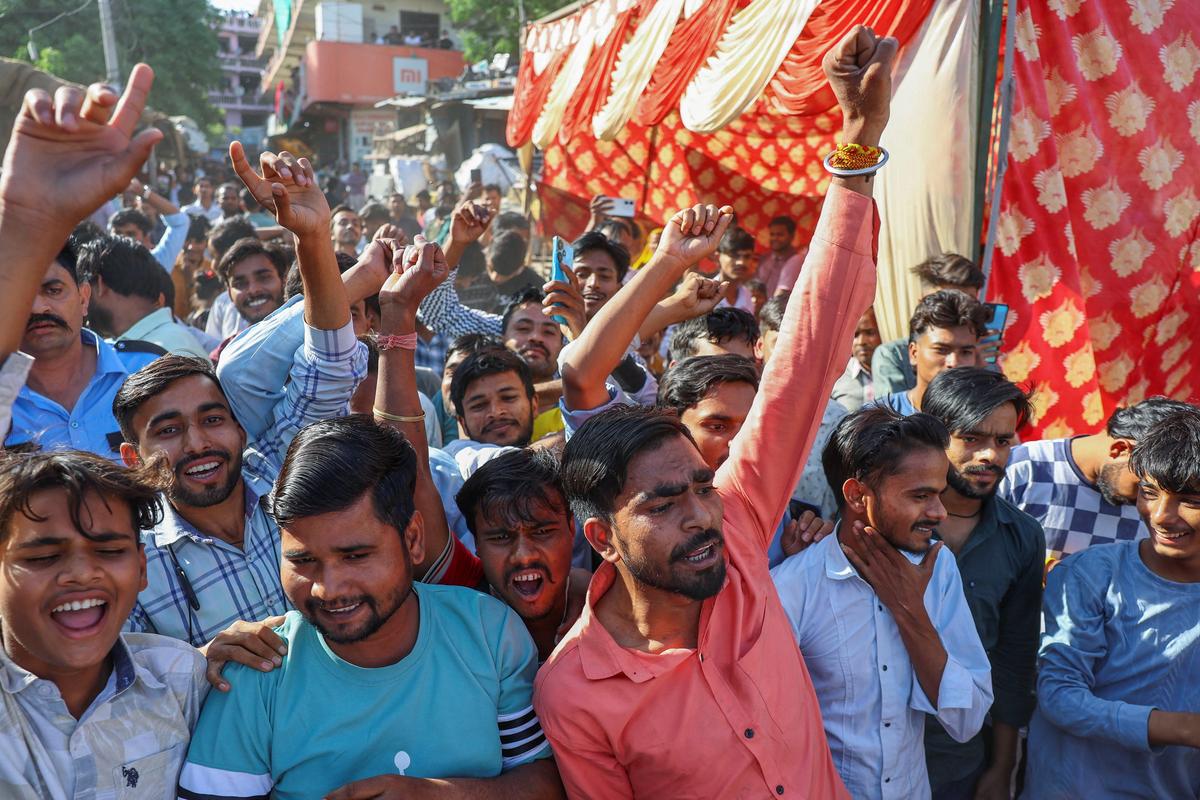
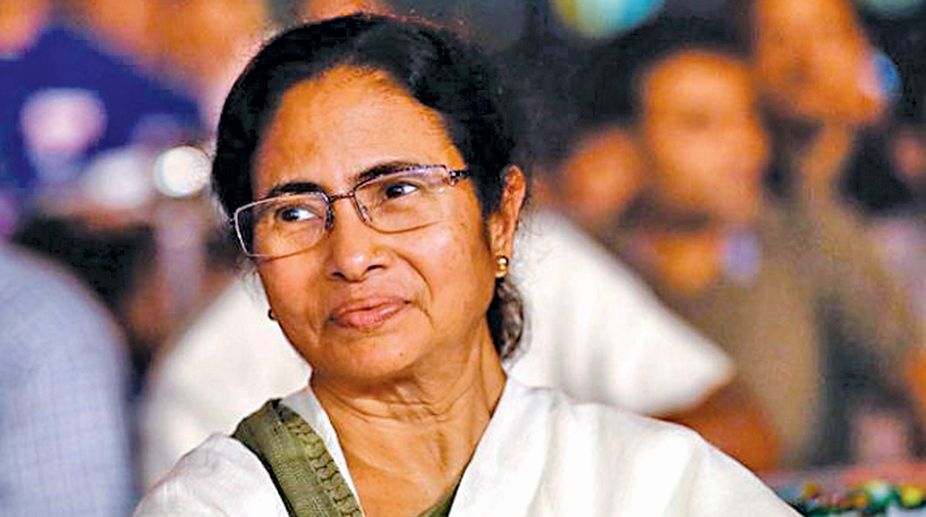

Prime Minister Narendra Modi set the stage for the upcoming West Bengal elections with a high-energy rally in Kolkata on March 14, just ahead of the official poll announcement. In his address, he sharply criticized Chief Minister Mamata Banerjee, raising concerns about alleged violence related to politics and demographic imbalance in the state.
BJP insiders see the rally—attended by over 600,000 people—as a turning point that has pushed the ruling Trinamool Congress (TMC) onto the defensive. Soon after, the BJP leadership moved swiftly to finalize candidate lists, signaling preparedness and organizational clarity going into the elections.
A Complex Electoral Battlefield
Despite BJP’s growing confidence, many observers remain cautious about predicting a clear winner in Bengal. While the party expects to hold its ground in Assam and hopes to gain in Tamil Nadu through alliances, West Bengal presents a unique challenge.
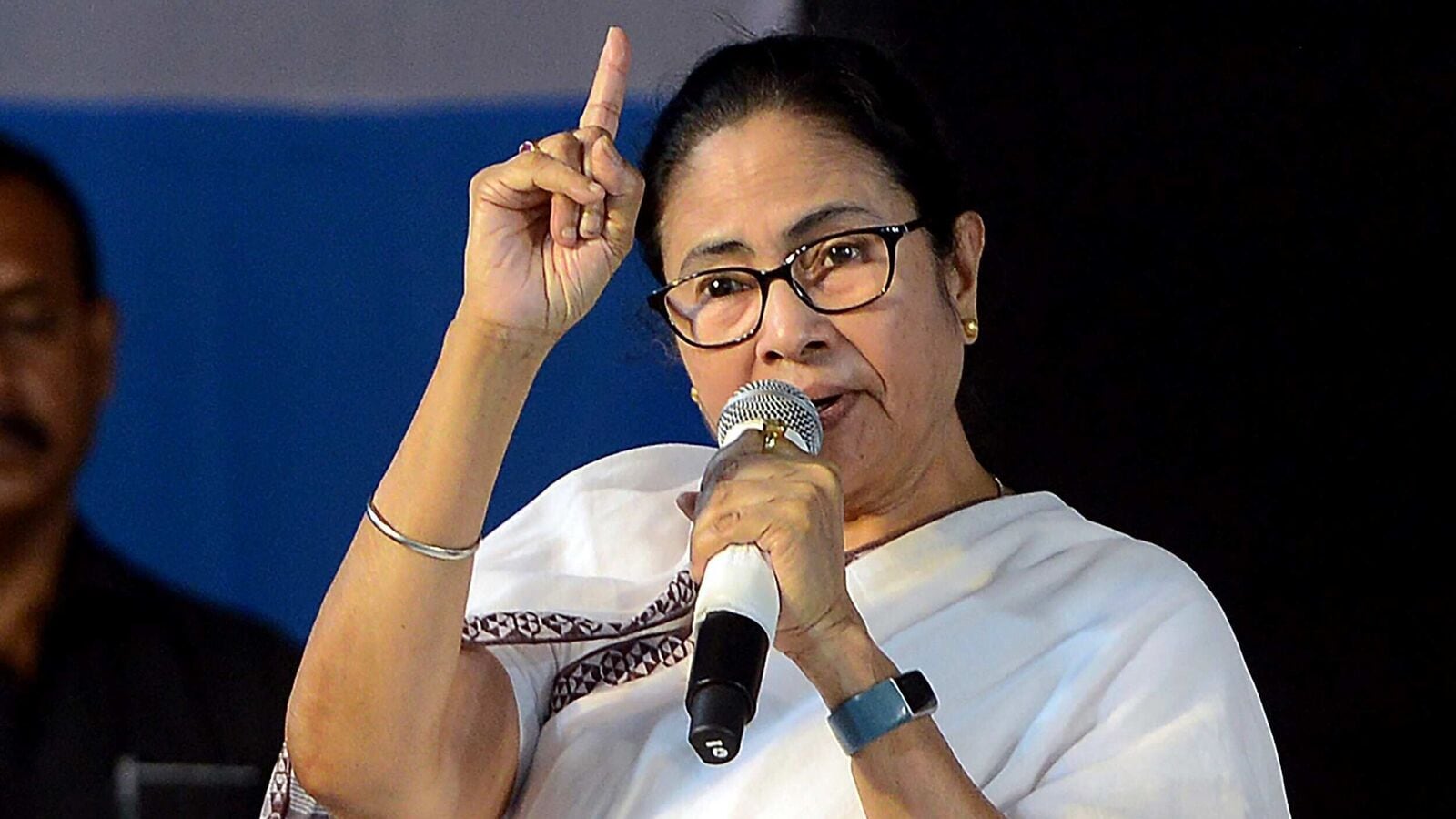
Mamata Banerjee continues to maintain firm control over both governance and party machinery, particularly at the grassroots level. Her direct confrontations with central agencies have reinforced her image as a street fighter, energizing her support base. She also retains strong backing among Kolkata’s intellectual class, often referred to as the Bhadralok.
At the same time, Banerjee has had to recalibrate her strategy. Known for minority-focused policies, she recently announced financial support for both temple priests and madrasa imams—an apparent attempt to balance religious sentiments amid fears of a broader electoral backlash.
BJP’s Seat Calculations and Leadership Clarity
In the 2021 Assembly elections, BJP secured 77 seats. Although its Lok Sabha tally dropped from 18 seats in 2019 to 10 in 2024, its vote share actually increased—an indicator the party views as a positive trend. BJP data suggests it led in around 90 Assembly segments during the 2024 general elections and is now targeting additional gains, especially in Kolkata, where TMC previously dominated all 36 seats.
Leadership ambiguity has also been addressed, with Suvendu Adhikari emerging as the party’s central figure in the state. Having defeated Banerjee in Nandigram, he is once again positioned as a key challenger, this time from Bhabanipur.
The Minority Vote Factor
BJP strategists acknowledge that over 50 constituencies in Bengal have a Muslim population exceeding 50%, giving TMC a structural advantage. However, they believe shifting political dynamics could alter this equation.
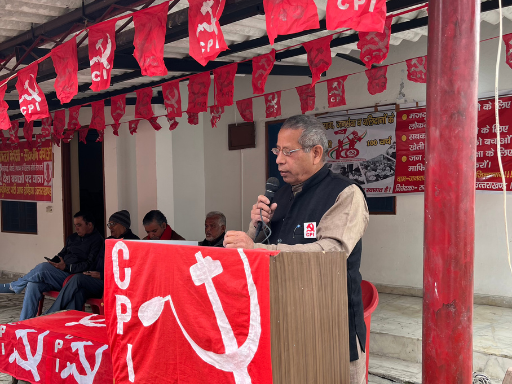
While it is unlikely that minority voters will directly support BJP, dissatisfaction over unfulfilled promises and recent legislative developments may fragment this vote base. BJP expects some of this shift to benefit Congress and Left candidates in select regions, potentially weakening TMC’s dominance.
Areas like Malda and Dinajpur, along the Bihar border, remain politically sensitive and highly polarized, making them crucial battlegrounds.
Emergence of Caste-Based Politics
Traditionally, caste has played a limited role in Bengal politics. However, BJP believes this is changing. The party points to Banerjee’s recent move to establish commissions for certain caste groups as a sign of political pressure.
BJP is focusing on communities like the Kurmis (Mahtos), who influence over 20 seats across multiple districts, as well as Yadav (Ahir) voters and Rajbanshis in North Bengal. Additionally, tea garden regions are seen as fertile ground for BJP gains, with expectations of winning up to 20 seats.
Middle-Class Sentiment and Policy Impact
Economic factors are also shaping the electoral narrative. The Centre’s early announcement of the 7th Pay Commission is believed to have resonated with middle-class voters. Banerjee’s delayed response to this policy, eventually approved just before elections, is viewed by BJP as a credibility setback.
A High-Stakes Political Contest
With a strong ground network, increased central oversight, and a coordinated campaign involving top leaders, BJP is projecting confidence in a significant electoral shift in West Bengal. Drawing parallels to the 2011 political upheaval that ended Left rule, BJP strategists believe a similar anti-incumbency wave could be building against Mamata Banerjee.
However, with TMC’s entrenched organizational strength and Banerjee’s enduring grassroots appeal, the Bengal contest remains one of the most closely watched and unpredictable political battles in India.