
India’s EV transition is accelerating, but for many drivers the decision still comes down to a practical question: will it actually save money over time?
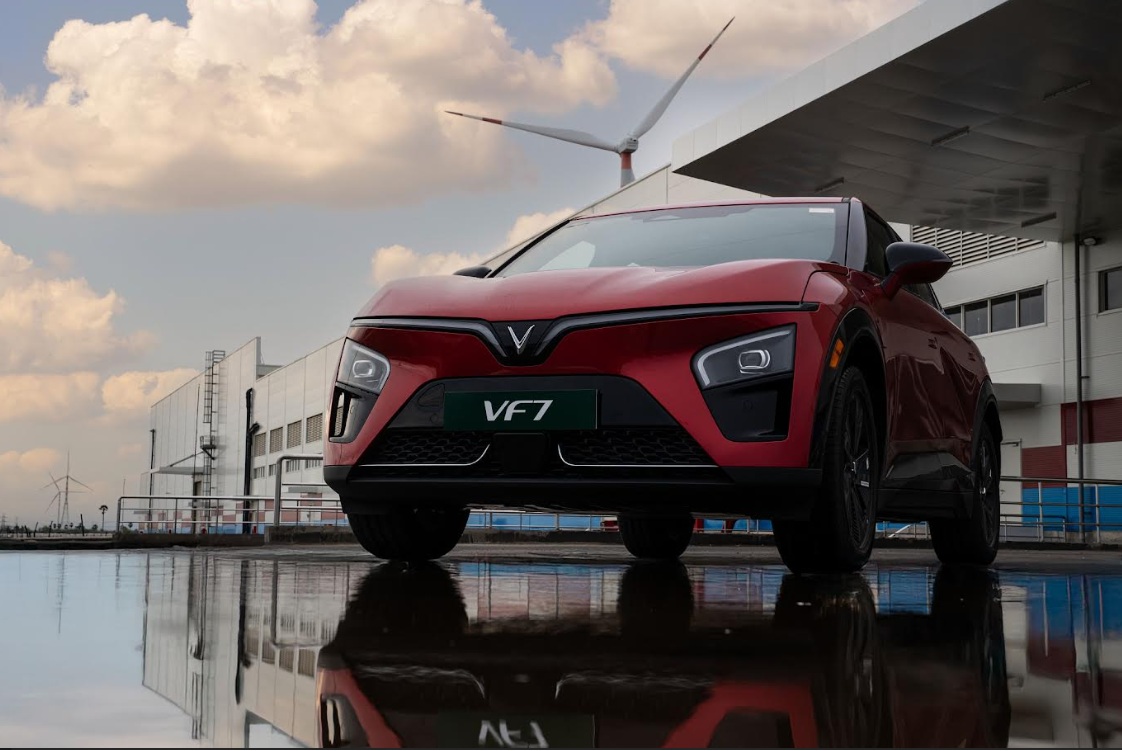 |
VinFast recently extended free charging at V-Green stations until March 31, 2029, allowing customers to charge their vehicles at no cost for several years
VinFast believes the answer becomes clearer with its latest ownership program. The company recently extended free charging at V-Green stations until March 31, 2029, allowing customers to charge their vehicles at no cost for several years.
This charging program is supported by V-Green, a global EV charging infrastructure company focused on building and operating charging networks for VinFast vehicles. In India, V-Green has been steadily expanding its presence, including a recent partnership with Hindustan Petroleum Corporation Limited (HPCL) to deploy EV chargers across HPCL’s fuel station network nationwide, helping bring charging access to major cities, highways and key transport corridors as the country’s EV market grows.
Free charging reshapes the cost of driving
To really see the benefits of VinFast’s latest free charging program, one only needs to make one simple comparison.
In early March 2026, petrol in New Delhi was priced around Rs. 94.77 per litre, with similar levels across many major cities. Assuming a typical and balanced real-world estimate of 15.5 km per litre for mid-size SUVs, a driver covering about 1,350 km per month would consume roughly 87 litres of petrol monthly.
At Rs. 94.77 per litre, that equals about Rs. 8,200 per month in fuel spending. Over three years, that reaches roughly Rs. 3 lakh.
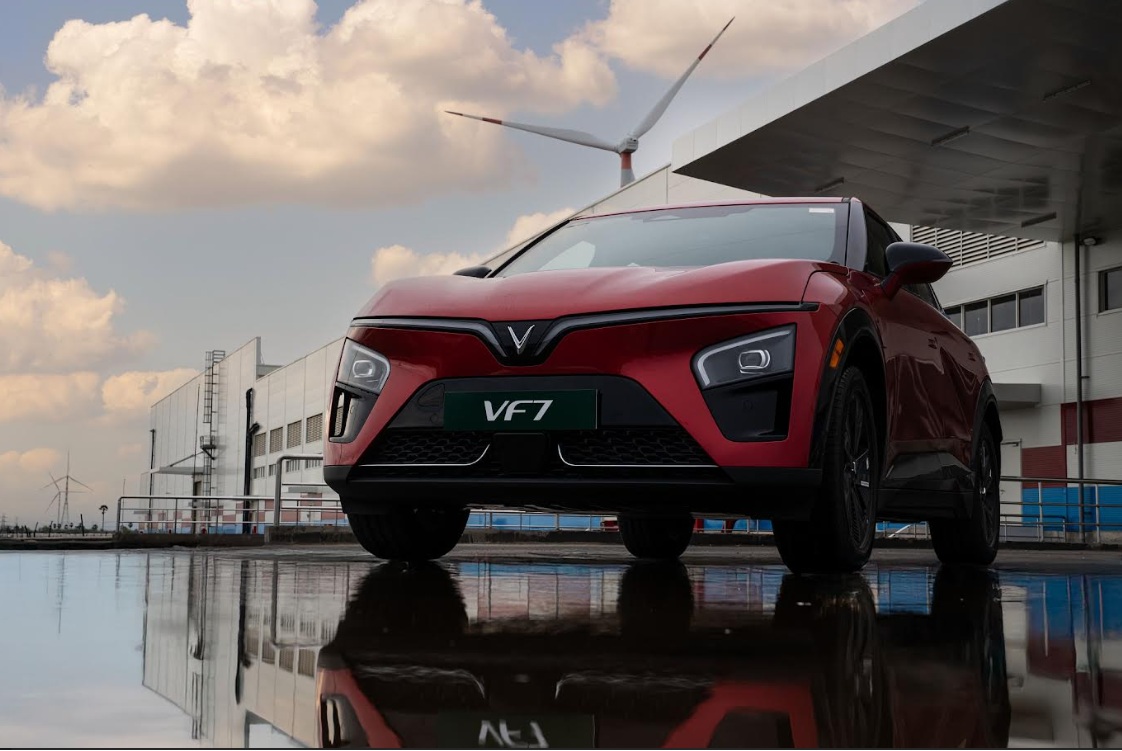
Now, take the VinFast VF 7 as an example. The vehicle carries a 75.3 kWh battery and offers a driving range of about 450 km. That works out to an energy consumption of roughly 16.7 kWh per 100 km. For someone driving around 1,350 km per month, the car would need about 225 kWh of electricity.
Public EV charging in India typically costs Rs. 10-Rs. 17 per kWh, depending on the charging network and location. Using the midpoint of that range, about Rs. 13.5 per kWh, charging the VF 7 would normally cost around Rs. 3,000 per month for someone driving 1,350 km.
Even at that rate, electricity remains significantly cheaper than petrol. Under the same driving assumptions, a typical petrol SUV would spend roughly Rs. 8,200 per month on fuel. And with VinFast’s extended free charging program, because owners can charge at V-Green stations without paying until March 2029, the electricity cost during the first years effectively drops to zero.
For a driver travelling 1,350 km each month, that removes about Rs. 8,200 in fuel expenses every month. Over a year, the savings add up to roughly Rs. 98,000, and over three years to about Rs. 2.9 lakh.
“When people actually sit down and run the numbers, they start seeing EVs as a truly cost-effective alternative, not just an experiment,” said Arjun Mehta, a veteran sales advisor in Bengaluru.
EV economics go beyond charging
But the charging program is only part of the picture.
A conventional engine has many mechanical parts that wear over time, which is why regular servicing typically involves oil changes, spark plugs, filters and other components.
Meanwhile, electric drivetrains are mechanically simpler, so maintenance tends to be lighter. In this respect, VinFast adds another layer of cost savings by offering free maintenance for three years or up to 36,000 km, whichever comes first.
Most recently, Vingroup, the parent company of VinFast, launched a special “Trade Gas for Electric” program running from March 11 to April 30, 2026, offering an additional 3 percent discount on VinFast electric cars for customers trading in a petrol vehicle. The program is being rolled out simultaneously across several markets, including India, and applies on top of existing incentives.
In addition, the company already provides financial support for drivers switching from petrol or diesel vehicles. Buyers who sell their existing internal combustion vehicle and purchase a VinFast EV receive a direct cash discount on the purchase price.
Taken together, these factors gradually tilt the ownership math toward electric vehicles. Fuel savings play the biggest role, but lower servicing costs and purchase incentives also contribute.
For many buyers evaluating EVs today, the question is becoming less about technology and more about everyday expenses.