
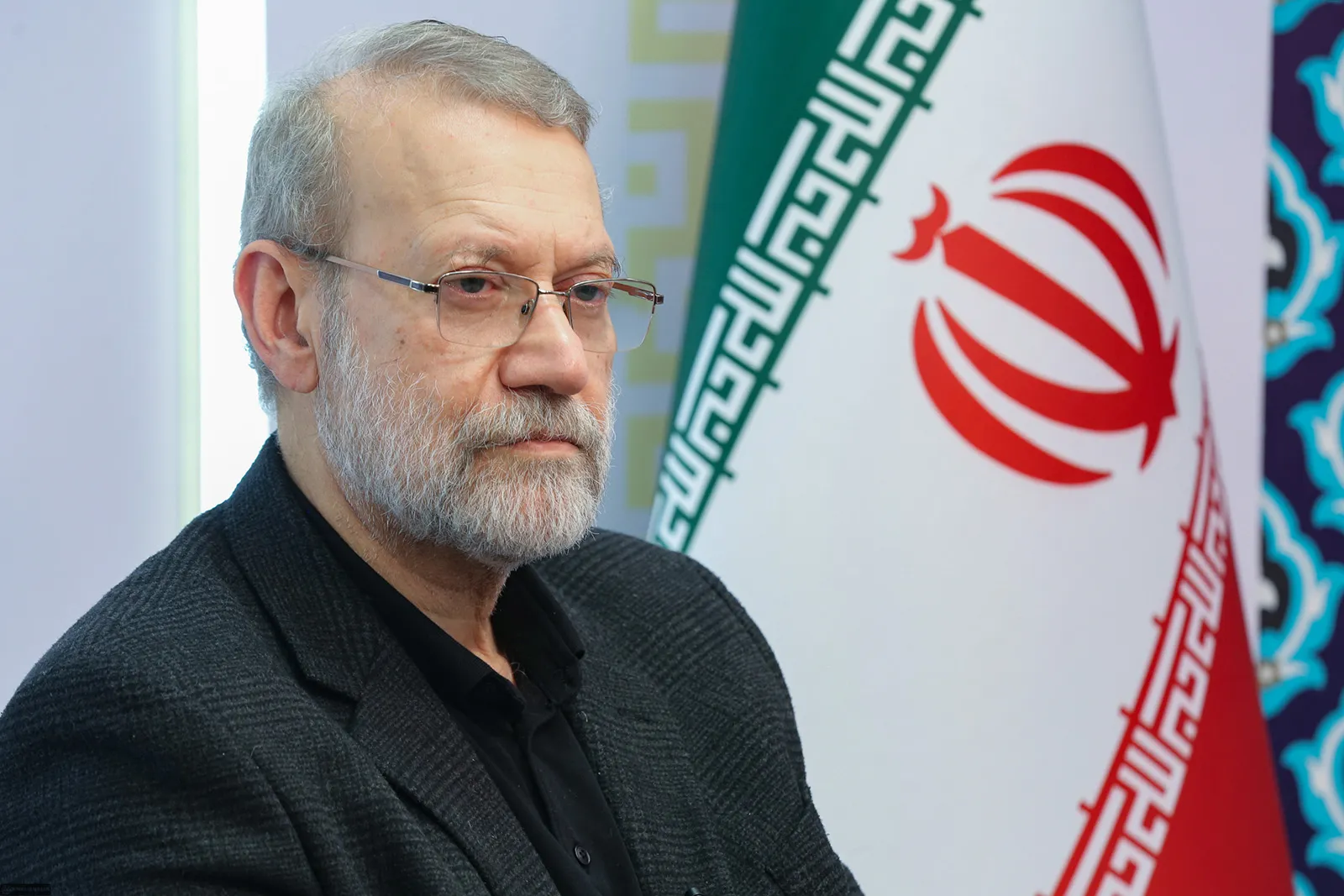

A senior Israeli official has claimed that the assassination of Iran’s top security figure, Ali Larijani, was made possible through intelligence gathered from residents within Tehran.
Larijani, who served as the secretary of Iran’s Supreme National Security Council, was killed in an early Tuesday strike alongside his son and close aides, according to Iranian state media reports.
The Israeli source stated that crucial information provided by locals over the past 24 hours helped pinpoint Larijani’s location. The official also alleged that Larijani’s increased public appearances in recent days—including attending rallies and interacting with media—made him more visible and easier to track.
Israeli intelligence agencies further claimed they continue to receive real-time updates about key military checkpoints linked to Iran’s Basij forces and the Islamic Revolutionary Guard Corps (IRGC).
Iran has strongly condemned the killing, with military leaders vowing retaliation. Senior commander Amir Hatami warned of a “decisive and regrettable” response. The IRGC described Larijani as a respected political and revolutionary figure, saying his death would strengthen national resolve.
In response, Iran reportedly launched missile strikes targeting central Israel, including areas near Tel Aviv, in what it described as retaliation for the assassination.
The incident comes amid escalating tensions following earlier US-Israeli strikes on Iran, which reportedly killed several high-ranking officials. The conflict has since intensified, with both sides exchanging attacks.
Meanwhile, in the United States, National Counterterrorism Centre director Joe Kent resigned over the ongoing war, stating in his resignation letter that Iran did not pose an immediate threat and suggesting the conflict was influenced by external pressures.