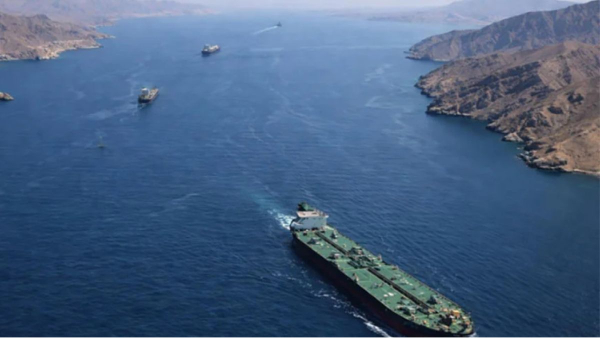

A call by Donald Trump for countries to deploy naval forces alongside the United States to safeguard shipping in the Strait of Hormuz has received a cautious and largely muted response from the international community.
Trump urged major economies to assist in keeping the critical shipping route “open and safe” as tensions escalate following the ongoing conflict between the US, Israel and Iran. Writing on his Truth Social platform, he called on countries such as China, France, Japan, South Korea and the United Kingdom to send warships to the region.
No Immediate Commitments
Despite the appeal, none of the countries mentioned have publicly committed to joining a US-led escort mission.
Chris Wright said he has been in discussions with several governments and expressed hope that China could play a “constructive role” in restoring shipping access through the strait.
However, officials from Beijing signalled a more cautious stance. Liu Pengyu said all countries share responsibility for maintaining stable energy supplies and emphasised the need for dialogue and de-escalation.
Iran Restricts Passage
Iran has effectively restricted access to the strategic waterway in response to US and Israeli strikes. The strait normally handles about one-fifth of the world’s oil exports, making it one of the most important global energy routes.
Tehran has stated that the passage remains open to most countries but not to the United States or its allies.
Iran’s Foreign Minister Abbas Araghchi told CBS that several nations have approached Tehran seeking safe passage for their vessels, though final decisions rest with the Iranian military.
Meanwhile, India has been engaging diplomatically with Iran. S. Jaishankar told the Financial Times that negotiations had already enabled two Indian-flagged gas tankers to safely cross the strait.
Rising Attacks and Oil Prices
The conflict has severely disrupted shipping in the region. According to data from organisations including the UK Maritime Trade Operations and the International Maritime Organization, at least 10 oil tankers have been attacked or targeted since February 28.
With crude prices hovering near $100 per barrel, around 1,000 oil tankers are currently stranded and unable to pass through the narrow waterway.
Doubts Over International Naval Coalition
Some analysts remain sceptical about whether countries will join a US-led naval coalition. Barbara Slavin said it is unlikely that China would send warships to escort ships in the strait, noting that Iranian oil exports to China remain largely unaffected.
Meanwhile, diplomatic discussions continue among Western allies. Keir Starmer reportedly discussed the issue with Trump and separately with Canadian Prime Minister Mark Carney.
France has indicated it may consider an international escort mission once fighting subsides, while Germany has expressed scepticism about becoming directly involved.
Iran Responds to Trump
Iranian officials have also pushed back against Trump’s remarks. Ali Mohammad Naini challenged the US leader’s claims that Iran’s naval forces had been destroyed.
“If Iran’s navy has truly been eliminated, then let him send his ships into the Persian Gulf if he dares,” Naini said, according to Iran’s Tasnim news agency.
As tensions persist and energy markets remain volatile, the situation in the Strait of Hormuz continues to be a critical flashpoint for global trade and geopolitical stability.